Water-Based vs. Oil-Based Paints: Discover Which is Best for Your Interior Projects
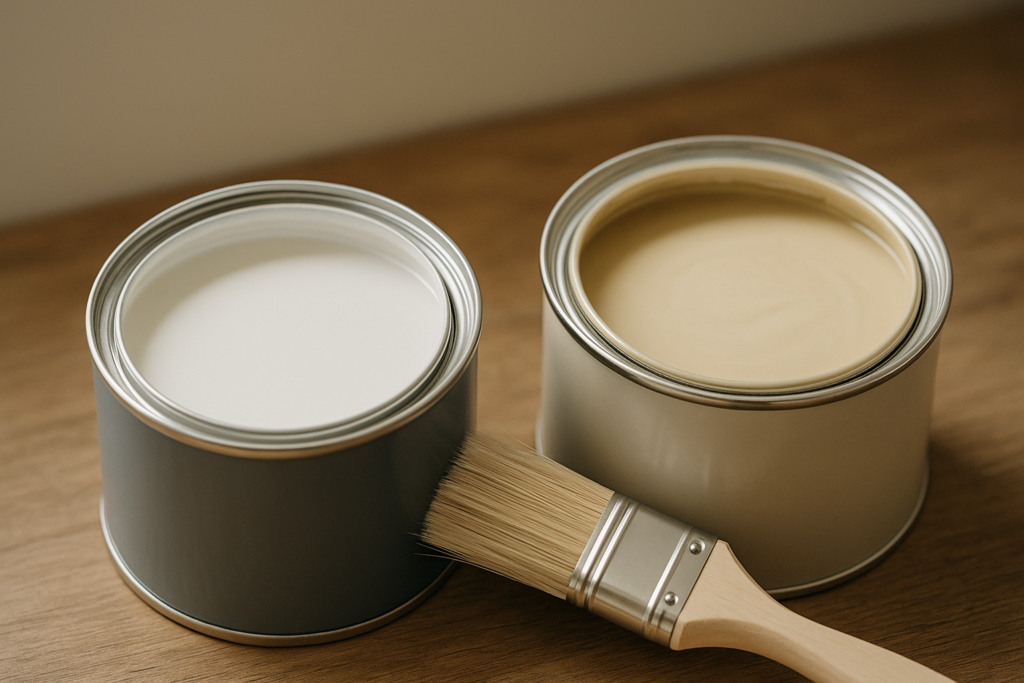
When embarking on an interior painting project, choosing the right type of paint is crucial. With a plethora of options available, understanding the differences between water-based and oil-based paints is key. This article will guide you through their respective advantages, offering expert advice to ensure your project goes smoothly.
Understanding Water-Based Paints
Water-based paints, often lauded for their versatility, are ideal for quick projects. They dry rapidly, which is perfect when time is of the essence. Additionally, these paints emit less odour and contain lower levels of volatile organic compounds (VOCs), making them a healthier choice for indoor air quality. Cleaning up is a breeze, requiring only soap and water, and they're excellent for surfaces like drywall and ceilings. Available in an extensive range of finishes, water-based paints are a popular choice for many DIY enthusiasts.
Exploring Oil-Based Paints
For those seeking a more durable finish, oil-based paints are often preferred. Known for providing a hard-wearing surface, they are highly resistant to the rigours of high-traffic areas. Their rich gloss enhances woodwork, making them a traditional favourite for skirtings and trims. While they take longer to dry, this allows for a more even application. Thus, oil-based paints remain a solid choice when durability and sheen are top priorities.
Choosing the Right Paint for Your Project
Selecting between water-based or oil-based paints involves considering various factors. The type and usage of the surface play a significant role, as does the desired finish and gloss level. Those with allergies or sensitivity to fumes may find water-based options more suitable. Additionally, aligning drying times with your project timeline is vital, especially when working concurrently on other tasks, such as installing a BG Electrical Double Socket for additional power supplies. Balancing cost with the project's scope is also essential for a successful outcome.
Application Tips for Water-Based Paints
When applying water-based paints, using synthetic brushes can enhance the smoothness of the finish. It's advisable to apply the paint in thin layers to ensure better adhesion. Ensure that surfaces are thoroughly cleaned and primed beforehand. These paints are also suitable for use with airless sprayers, offering a professional touch. For added protection, sealing with a water-based polyurethane is recommended, especially in areas prone to wear.
Application Tips for Oil-Based Paints
Opt for natural bristle brushes when applying oil-based paints, as they tend to provide superior results. Adequate curing time between coats is crucial to achieve the desired effect. Due to the strong odour associated with these paints, ensure your working area is well-ventilated. Rollers can be particularly effective for larger surfaces. Remember to clean your tools with mineral spirits or paint thinner to maintain their condition.
Maintaining Painted Surfaces
To prolong the life of painted surfaces, regular dusting is essential. Avoid abrasive cleaners that can damage the finish and be prompt in repairing chips to prevent further peeling. Keep leftover paint for touch-ups and consider applying a clear topcoat for enhanced durability. These steps will help maintain the aesthetic appeal of your project.
Incorporating Paints with Other DIY & Tools
Integrating paints with other DIY projects can enhance your overall results. Pair your painting project with a FireAngel Optical Smoke Alarm for safety, or use HNNHOME Bath Sealant Tape for sealing edges in moisture-prone areas. Enhancing doorways with a TECKNET Wireless Doorbell can add convenience. For outdoor paint jobs, secure structures with Premium Decking Screws to ensure stability.
Ultimately, the choice between water-based and oil-based paints depends on your project's specific needs. Consider the application process, desired finish, and maintenance requirements to make an informed decision. By carefully evaluating these factors and incorporating the right tools, such as those offered by POYPA, you can achieve professional results that stand the test of time.